Veterans Day began as Armistice Day. The armistice that ended the fighting of World War I took effect on Nov. 11, 1918, and a year later President Woodrow Wilson proclaimed the first commemoration. In 1938, Congress made Nov. 11 a legal holiday dedicated to world peace, meant mainly to honor the veterans of that war. After World War II and Korea, Congress changed the name in 1954 so the day would honor American veterans of all wars. A 1968 law moved it to a Monday for several years, and in 1975 President Gerald Ford signed a law returning it to Nov. 11, starting in 1978, in line with the wishes of most state legislatures, veterans organizations, and the public.
The date matters to me too. It asks us to thank people for what they gave, which is the heart of everything our sector does.
Veterans are already among us
Veterans give a great deal of time to their communities. The 2025 Veterans Civic Health Index, from the National Conference on Citizenship, found that veterans volunteer 35 percent more hours each year than people who haven’t served. Many of them are already on your volunteer roster, your board, your staff, and your donor list.
Most organizations don’t know who they are. We don’t ask, so we can’t thank them, and we miss what they bring: experience leading under pressure, managing logistics, and keeping a team together when things go sideways.
A few ways to do this well
Ask, gently. Add an optional question to volunteer and donor forms: “Have you served in the military?” Make it optional, and use the answer only to include and thank people.
Recruit with purpose. When you need a board member with operations or crisis experience, reach out to local veterans’ groups and employers who hire veterans. Ask for their skills, not their symbolism.
Thank them as people. A Veterans Day email to the whole list is fine. A personal note to the veterans who volunteer with you is better. Better still is thanking them in March, for their work with you, not only for their service.
Remember that veterans are not all alike. They come from every background, every generation, and every political view. Some are transgender, some are disabled, some are struggling, and many are thriving. Don’t assume.
Today, I’m grateful to every veteran who serves twice, first in uniform and again in their communities. The question for our organizations is simple: do we know who they are, and have we told them thank you?
– Mary-Ellen
Sources
- History of Veterans Day (U.S. Department of Veterans Affairs)
- 2025 Veterans Civic Health Index (National Conference on Citizenship)
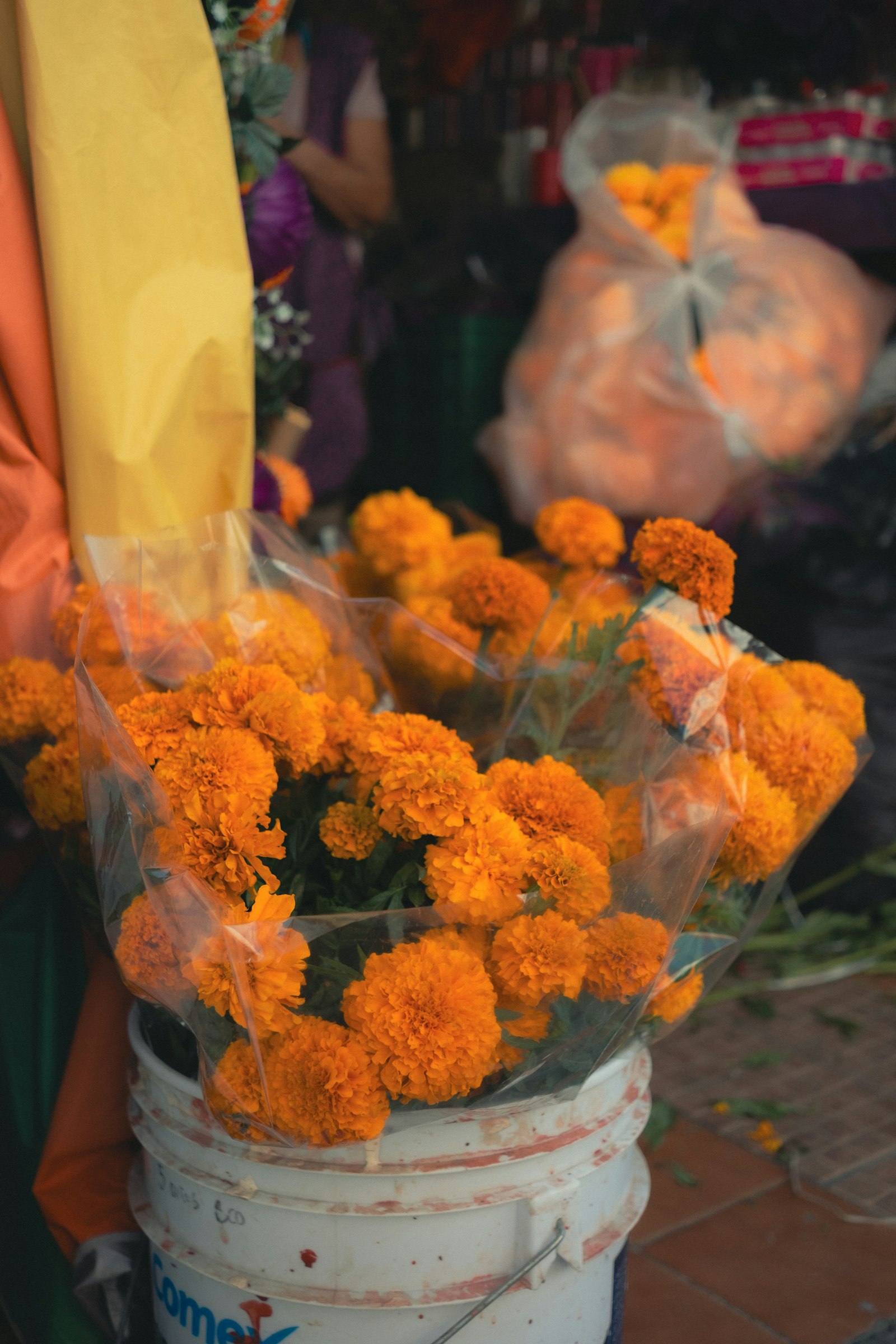
Featured photo: Photo by Tim Mossholder on Unsplash.